
Understanding the Terrain: Navigating the Rub Al Khali Desert


The Enigma of Rub Al Khali
The Rub Al Khali, also known as the Empty Quarter, is the largest continuous sand desert in the world. Covering an area of approximately 650,000 square kilometers, it spans across four countries: Saudi Arabia, Oman, the United Arab Emirates, and Yemen. Despite its harsh conditions, the desert remains a place of intrigue and mystery for explorers and researchers alike.
Geographical Features
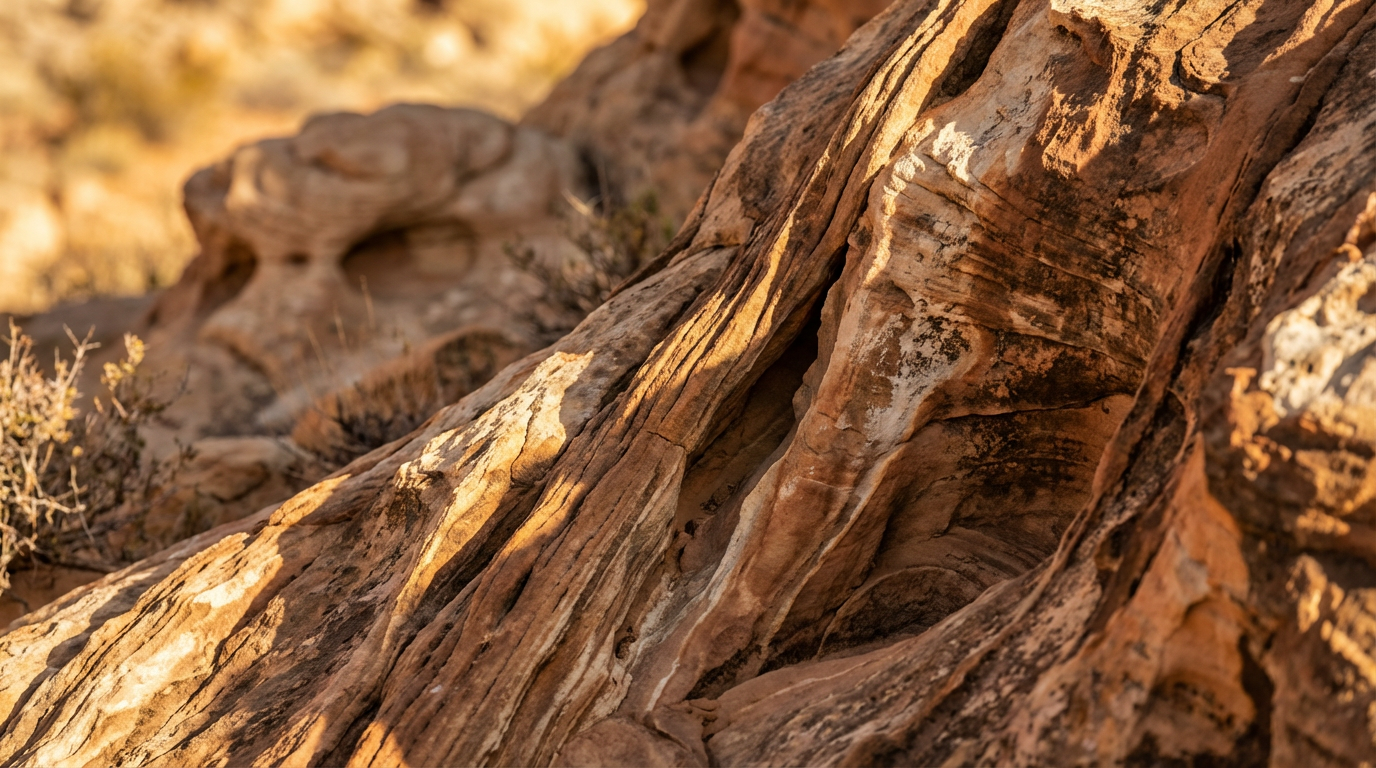
The Rub Al Khali is characterized by its vast sea of sand dunes, some of which reach heights of up to 250 meters. These dunes create a stunning landscape that shifts constantly with the wind. The terrain is also interspersed with salt flats and gravel plains, adding to the desert’s diverse topography. Understanding the geography of this area is crucial for anyone attempting to navigate its expansive wilderness.
Despite its barren appearance, the Rub Al Khali is home to unique ecosystems. Certain areas, like the Umm al Samim, are known for their quicksand and salt marshes, creating challenging environments for both wildlife and travelers. The ability to read the land and anticipate these obstacles can mean the difference between a successful journey and a perilous one.
Climate Challenges
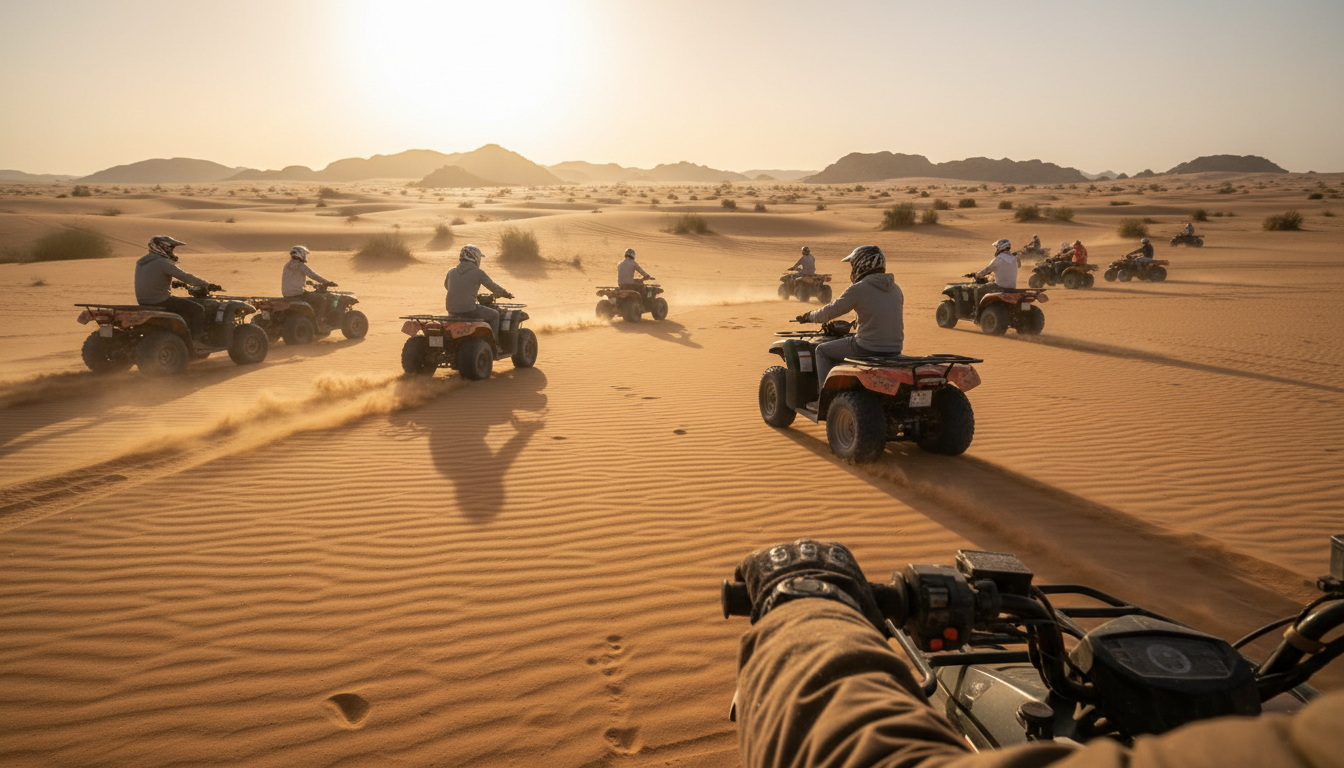
The climate of the Rub Al Khali poses significant challenges to navigation. Temperatures can soar above 50 degrees Celsius during the day and plummet to near freezing at night. The lack of precipitation and scarce water sources make it imperative for travelers to plan meticulously.
Strong winds are a common occurrence, reshaping dunes and obscuring landmarks. This constant transformation can easily lead to disorientation. Having reliable navigation tools and skills is essential to charting a safe course through the desert's shifting sands.
Navigation Techniques
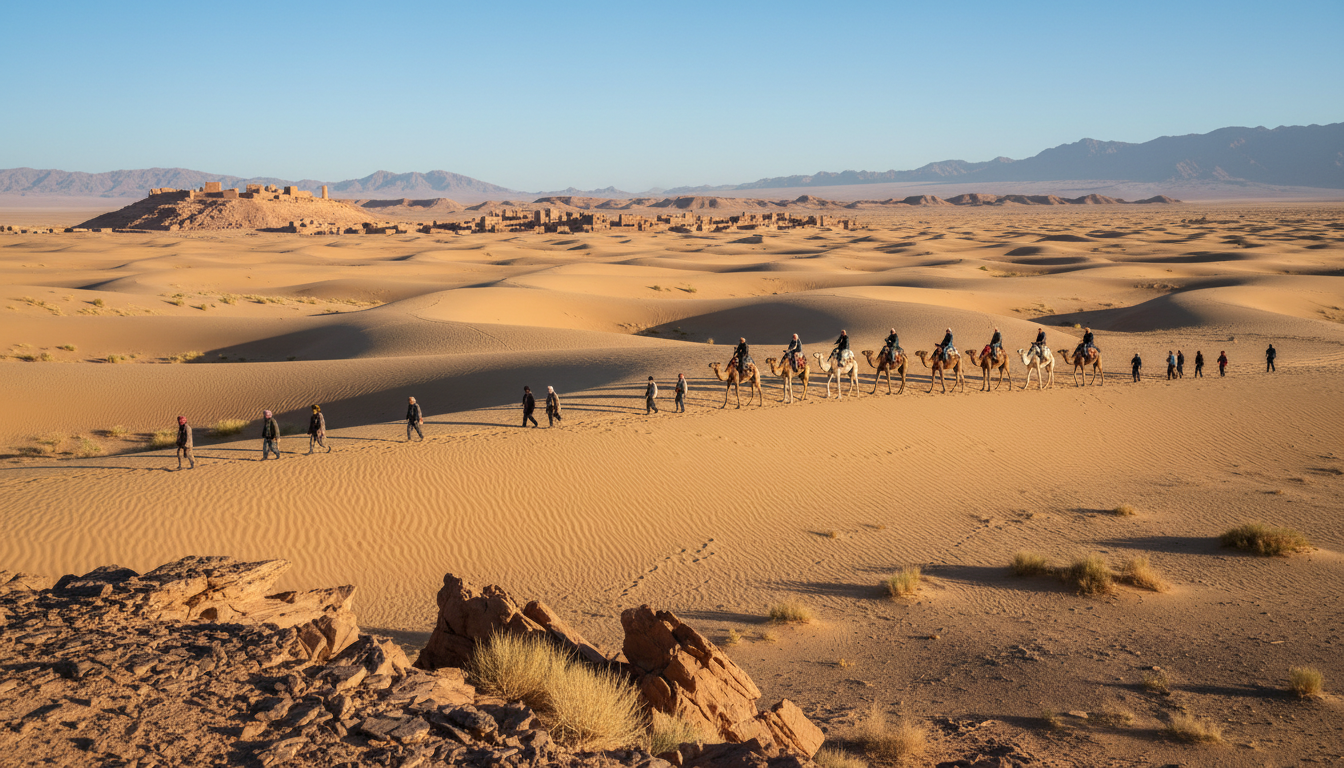
Traditional navigation methods are still employed by the Bedouin tribes who inhabit the region. These include using the stars, understanding weather patterns, and reading the landscape. Modern adventurers often complement these age-old techniques with GPS technology and satellite imagery to enhance accuracy.
For those exploring the Rub Al Khali, it is advisable to travel with an experienced guide. Local knowledge of the terrain and weather can provide invaluable insights, especially in areas where technology might fail. Additionally, a well-prepared itinerary and contingency plans are crucial components of any expedition.
Preparation and Safety
Before embarking on a journey through the Rub Al Khali, thorough preparation is key. Packing adequate supplies of food and water, as well as emergency equipment, is vital. Communication devices are also important, given the remote nature of the terrain.
Understanding the risks and having a comprehensive safety plan can mitigate potential hazards. Respect for the desert and its unpredictable nature is essential for ensuring both an educational and safe experience.
The Allure of the Unknown
Despite its challenges, the Rub Al Khali continues to captivate those who seek adventure and discovery. Its vast, untouched beauty offers a unique opportunity to experience one of the last great wildernesses on earth. Whether driven by scientific curiosity or the thrill of exploration, the desert invites us to uncover its secrets, one grain of sand at a time.